
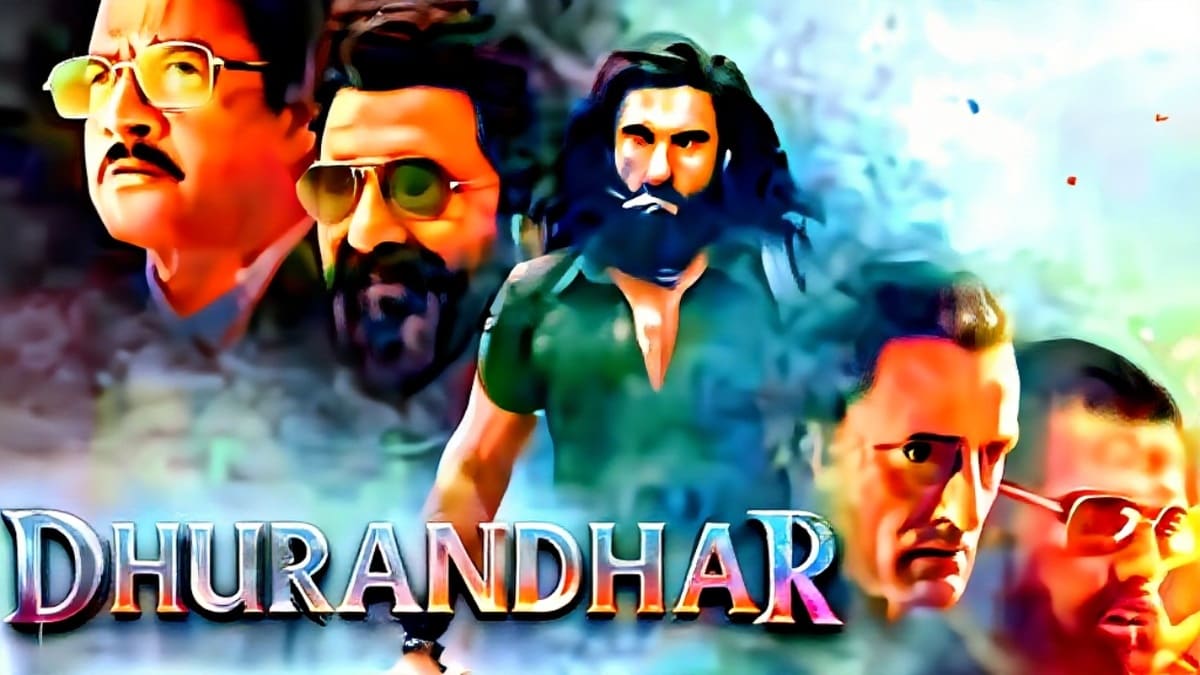
Bollywood’s Credibility Crisis: Dhurandhar‘s Massive Box Office Run Coincides with Rampant Paid Hype
Bollywood filmmakers frequently collaborate with media outlets to disseminate inflated box office revenues, exacerbating the credibility crisis.
By Rakesh Raman
New Delhi | December 9, 2025
The Bollywood action drama Dhurandhar, directed by Aditya Dhar and starring Ranveer Singh, Akshaye Khanna, and R Madhavan, has taken the box office by storm, accumulating ₹134.52 crore in its first five days and inching towards the ₹140 crore mark. Reports suggest that the film, which released on December 5, crossed ₹100 crore in its opening weekend.
Dhurandhar has already secured the biggest opening for Ranveer Singh, breaking the records of his previous successes, including Padmaavat and Simmba. The movie generated a significant buzz since its release.
Box Office Performance
The box office growth was impressive following the Day 1 opening of Rs 28 crore. On Sunday, the film witnessed a phenomenal jump of 34% compared to Saturday, reaching Rs 43 crore. Although Monday saw a natural drop to Rs 23 crore, the film is performing strongly and is expected to continue in the double-digit range throughout the week. By Tuesday afternoon (Day 5), the film had already minted Rs 8.27 crore.
The Shadow of Fabricated Hype
While Dhurandhar enjoys substantial success, its performance unfolds against a backdrop of severe credibility crisis driven by widespread manipulation within the industry. The pervasive use of paid reviews and the manipulation of figures have trapped the Bollywood industry in a cycle of artificial buzz.
It is widely recognized as an industry norm that most Bollywood film reviews are paid for, with some estimates suggesting that 70–80% of reviews are purchased.
To generate this orchestrated hype, PR firms offer “rate cards” for comprehensive promotional packages that range in price from five million to 50 million rupees (approximately £48,000 to £480,000).
These promotional packages include:
- Paid Media Coverage: This involves placing positive articles in established media outlets.
- Tacit Sponsorship: Interviews with actors and directors are often “tacitly sponsored,” meaning the financial sponsorship is deliberately concealed from the public to influence consumers more effectively.
- Artificial Online Trends: Firms are also hired to create artificially generated online trends and positive social media engagement, making a movie appear more popular and widely discussed than it is organically. Social media influencers and YouTube reviewers often negotiate separate fees for their services, sometimes preferring cash payments.
Furthermore, Bollywood filmmakers frequently collaborate with media outlets to disseminate inflated box office revenues, exacerbating the credibility crisis. This system of inflated figures and purchased reviews ensures the industry is constantly struggling with a fundamental lack of trust.
By Rakesh Raman, who is a national award-winning journalist and social activist. He is the founder of a humanitarian organization RMN Foundation which is working in diverse areas to help the disadvantaged and distressed people in the society.