
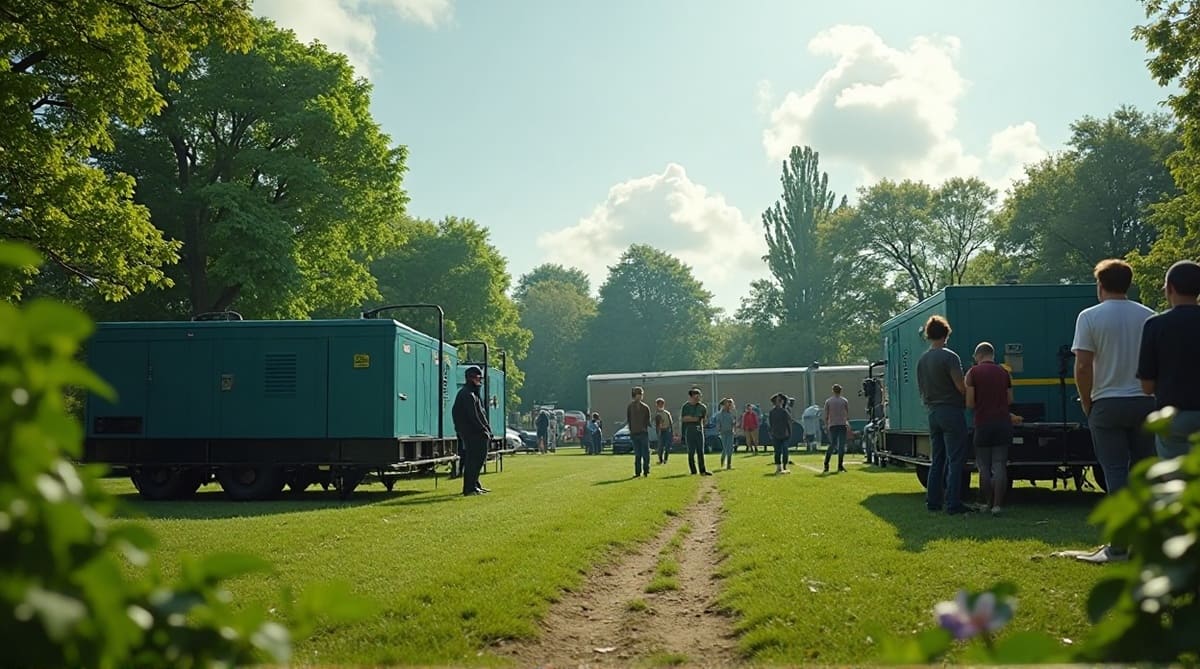
UK Film and TV Giants Pledge Fossil Fuel-Free Production by 2030
The roadmap outlines a clear timeline to phase out stand-alone fossil-fuel generators before the 2030 deadline. During the transition, productions will utilize hybrid generators and hydrotreated vegetable oil (HVO) where necessary.
RMN Stars Environment Desk
New Delhi | December 30, 2025
BAFTA albert, in collaboration with major industry leaders including the BBC, Netflix, ITV, and Sky, has officially launched SPARK: Clean Temporary Power by 2030. This strategic roadmap, accompanied by a formal Statement of Intent, commits the UK film and TV sector to a permanent shift away from fossil fuels in production environments.
The Drive for Change
The initiative addresses a significant environmental footprint; in 2024, UK productions consumed over three million litres of fossil fuels in generators, with more than 50% of productions relying almost exclusively on these power sources. Industry leaders state that moving to clean solutions will not only reduce carbon emissions but also result in quieter, healthier sets and improved air quality without hindering creative output.
The Three Pillars of SPARK
The transition is built upon three core pillars designed to modernize industry operations:
- REDUCE: Cutting energy demand through more efficient equipment and planning.
- RETOOL: Upgrading existing infrastructure and technology to support clean power.
- RESKILL: Training production teams and crews to operate and budget for new energy solutions.
RELATED RMN NEWS REPORTS
[ Green Film-making: The Eco-Friendly Future of Cinema ]
[ 4 Surprising Truths About Google’s New AI Filmmaking Tools ]
A Phased Transition
The roadmap outlines a clear timeline to phase out stand-alone fossil-fuel generators before the 2030 deadline. During the transition, productions will utilize hybrid generators and hydrotreated vegetable oil (HVO) where necessary. The ultimate goal is to phase in grid power, battery solutions, and other clean technologies across the supply chain.
Industry-Wide Collaboration
The Statement of Intent has been co-signed by a broad coalition, including the BFI, Channel 4, Fremantle, and Universal International Studios. The strategy was validated by independent experts from Imperial College London, ensuring the recommendations are technically robust and scalable.
Matt Scarff, Managing Director of BAFTA albert, noted that the level of collaboration among members is a testament to how seriously the industry views its responsibility to produce sustainable content. Leaders from the BBC and ITV emphasized that no single broadcaster can achieve these goals in isolation, highlighting that “collaboration and transition planning are key to unlocking innovation”.
Transitioning the film industry’s power is like switching a massive fleet of old delivery trucks to electric vehicles; it requires not just buying new trucks (Retooling), but also mapping out more efficient routes (Reducing) and teaching every driver how to use the new charging stations (Reskilling) to keep the business running smoothly.