The Illusion of Stardom: Inside Bollywood’s Dual Crisis of Credibility and Propaganda
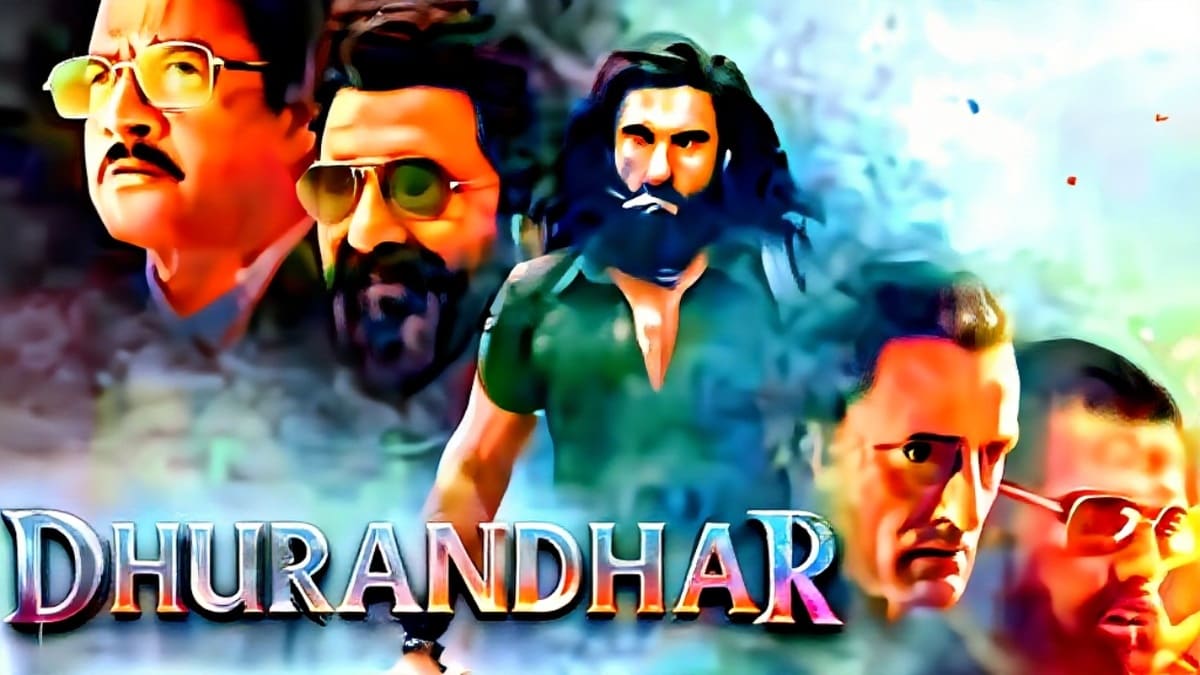
Beyond financial manipulation, the industry is increasingly accused of exploiting India’s current political climate to ensure financial returns. Many films – such as Dhurandhar – now leverage anti-Pakistan and anti-Muslim sentiments to appeal to a motivated demographic, often prioritizing divisive themes over quality storytelling.
By Rakesh Raman
New Delhi | December 23, 2025
The Hindi-language film industry, widely known as Bollywood, is currently embroiled in a severe credibility crisis that threatens to dismantle its global standing. Once an “open secret,” the practice of paid reviews and manipulated media narratives has shifted into a standard industry norm. With estimates suggesting that 70-80% of all film reviews are now paid for, the industry has effectively replaced genuine critical discourse with a pay-to-play ecosystem.
The Business of Manufactured Hype
This culture of deception is fueled by a sophisticated infrastructure of PR firms and marketing agencies that offer “rate cards” to filmmakers. These packages, which can cost anywhere from five million to 50 million rupees, guarantee orchestrated hype through paid articles, positive social media engagement, and the creation of artificial online trends.
The origins of this systemic rot date back to the early 2000s when the “MediaNet” program allowed companies to purchase editorial coverage, a move that was eventually emulated across the media landscape. Today, prominent media outlets often collaborate with production houses to “manage negativity” by softening critiques and presenting sponsored interviews as genuine editorial content. This collaboration extends to the reporting of inflated box office revenues, creating a glaring discrepancy between the figures claimed by Bollywood companies and the independent sales data released by platforms like IMDb.
Exploiting Political Divides for Profit
Beyond financial manipulation, the industry is increasingly accused of exploiting India’s current political climate to ensure financial returns. Many films – such as Dhurandhar – now leverage anti-Pakistan and anti-Muslim sentiments to appeal to a motivated demographic, often prioritizing divisive themes over quality storytelling. This strategy capitalizes on the atmosphere of hate created by the current political regime, guaranteeing an audience by targeting specific demographic realities rather than relying on creative merit.
🔊 बॉलीवुड में व्याप्त साख की कमी और दुष्प्रचार: ऑडियो विश्लेषण
Structural Decay and Professionalism
The internal structure of Bollywood further complicates its crisis. The industry remains a tightly controlled circle of traditional families, leading to a perceived lack of professionalism and a reliance on “formula films” featuring irrelevant song-and-dance sequences. While high-profile actors are compensated for private appearances at weddings or shop inaugurations, many films are produced on shoestring budgets by utilizing the relatives of established actors at low remuneration. Despite its domestic dominance, Bollywood’s share in the global film market remains negligibly small.
The High Cost of Deception
The limits of artificial hype were starkly illustrated by the October 2024 release of Jigra. Despite heavy promotion and the use of paid influencers, the film failed to recover even one-third of its production costs. This financial failure was significant enough to contribute to Dharma Productions’ decision to sell a 50% stake in the company, highlighting how the rising costs of “buying” success are becoming unsustainable.
The industry now finds itself trapped in a cycle of its own making, where the reliance on manufactured buzz has eroded its authenticity. Industry experts suggest that the only way to resolve this crisis is for filmmakers to prioritize genuine creativity and make better films that they truly believe in, rather than relying on a “hostage” ecosystem of paid critics and influencers.
In fact, Bollywood’s current state is much like a luxury restaurant that spends its entire budget on hiring people to stand outside and rave about the food, while the kitchen serves pre-packaged meals. While the initial crowd might be fooled by the noise at the door, eventually, the lack of real flavor leads to empty tables and a ruined reputation that no amount of paid shouting can fix.
By Rakesh Raman, who is a national award-winning journalist and social activist. He is the founder of a humanitarian organization RMN Foundation which is working in diverse areas to help the disadvantaged and distressed people in the society.