
Berlinale Co-Production Market Unveils Selection: 35 International Film Projects Set for 23rd Edition
In addition to the main project selection, the event includes the Talent Project Market, where ten alumni producers will seek partners for new works by directors such as Álvaro Gago and Simon Jaquemet.
RMN Stars Business Desk
New Delhi | January 11, 2026
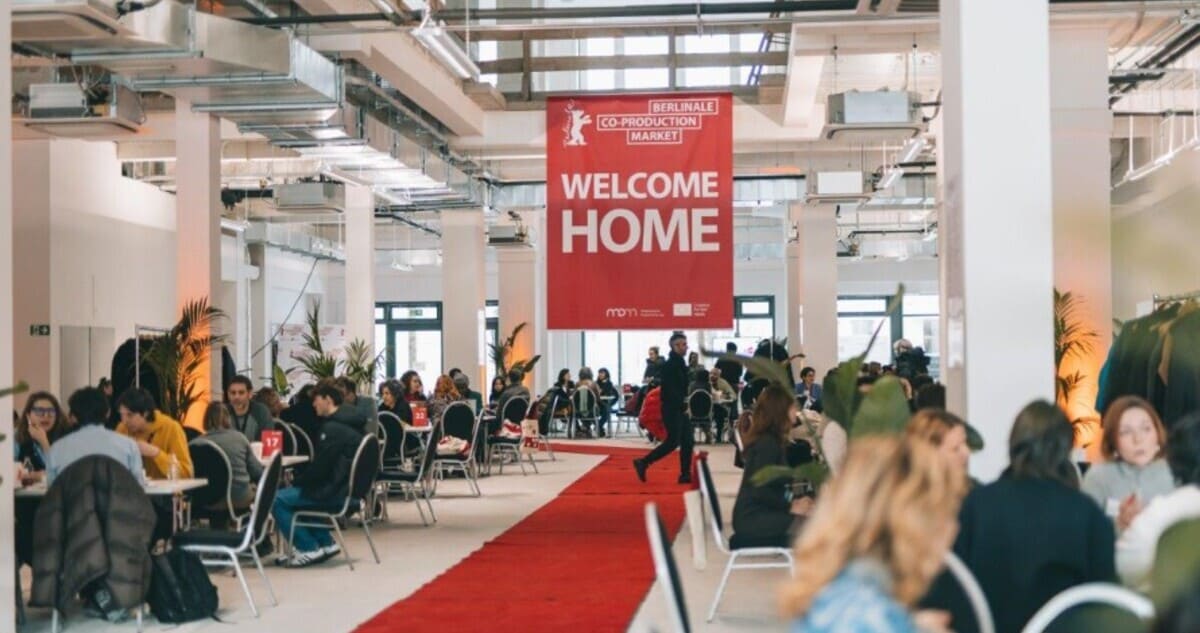
BERLIN – Organizers have announced the selection for the 23rd Berlinale Co-Production Market, identifying 35 new feature film projects from 27 countries to participate in the prestigious networking event. Scheduled to take place from February 14 to 17, 2026, the market will serve as a primary “launchpad” for international co-productions, primarily hosted at the Atrium Tower in the Berlinale Service Center.
The selection process saw a significant surge in interest this year, with 390 submissions—an increase of 50 projects compared to the previous year. Of the final 35 projects selected, women are directing 16, highlighting a strong focus on gender representation in the director’s chair. These producers will have the opportunity to pitch their work to 600 potential partners, ranging from world sales agents and distributors to various international financiers.
Award-Winning Talent and High-Profile Collaborations
The 2026 roster includes a mix of established international production companies and acclaimed directors. Among the selected filmmakers are Silver Bear winner Dénes Nagy, Rodrigo Moreno, and Laurynas Bareisa. Other notable directors bringing projects to the market include Alonso Ruizpalacios, Aida Begic, and Signe Baumane.
The selection also features high-profile international collaborations, such as:
- The Dispute, produced by Riley Keough’s U.S. production company Felix Culpa.
- Beirut Baby by Joana Hadjithomas and Khalil Joreige, which is seeking partners through the Rotterdam-Berlinale Express.
- Blue Card, a Sudanese project by Mohammed Alomda, supported by the Berlinale World Cinema Fund.
Genre Trends and Thematic Focus
Martina Bleis, head of the Berlinale Co-Production Market, noted a particular trend toward genre filmmaking this year. Horror and “body horror” are strongly represented, providing a narrative framework for exploring “relevant political and psychological themes”. Beyond horror, the selection includes arthouse animation, thrillers, and comedies. Recurring thematic threads across the projects include identity, self-determination, family models, and gender-based violence.
Support Systems and Industry Impact
In addition to the main project selection, the event includes the Talent Project Market, where ten alumni producers will seek partners for new works by directors such as Álvaro Gago and Simon Jaquemet. The Company Matching program will also feature five international companies, including Germany’s X Filme Creative Pool and Brazil’s Bubbles Project, to foster structural networking and slate development.
Financial incentives remain a major draw for participants, with several prestigious cash prizes up for grabs:
- The Eurimages Co-Production Development Award (€20,000).
- The VFF Talent Highlight Award (€10,000).
- The ARTEKino International Award (€6,000).
- The Gen Z Audience Award (€5,000), awarded by a jury of film students.
The market has a proven track record of success, having facilitated nearly 400 completed international co-productions to date. Recent successes include the European Film Award-nominated Franz and the Noomi Rapace starrer Mother. Looking forward to the 2026 festival, the film Iván & Hadoum—a former award winner at the 2023 market—is already confirmed for the Berlinale program.
The Berlinale Co-Production Market is a core component of Berlinale Pro, the festival’s industrial infrastructure that supports global filmmaking from development through to distribution. It receives support from MDM – Mitteldeutsche Medienförderung, the Creative Europe – MEDIA Programme, and the FFA – German Federal Film Board.