From Battle of Galwan to Maatrubhumi: How Salman Khan’s Bollywood Epic and General Naravane’s Memoir Intersect with India-China Geopolitical Realities
The strategic retitling of Salman Khan’s war drama from Battle of Galwan to Maatrubhumi: May War Rest in Peace marks a significant pivot in Bollywood’s portrayal of India’s border conflicts. As parliamentary debates flare over General Manoj Naravane’s memoir detailing the 2020 Himalayan standoff, the film faces intense scrutiny regarding its alignment with geopolitical realities in Ladakh. Together, these developments illustrate the complex intersection of popular cinema, military accounts, and state narrative management in contemporary India.
RMN Stars Bollywood Desk
New Delhi | November 14, 2026
1. Cinematic Pivot: Retitling ‘Battle of Galwan’ to ‘Maatrubhumi’
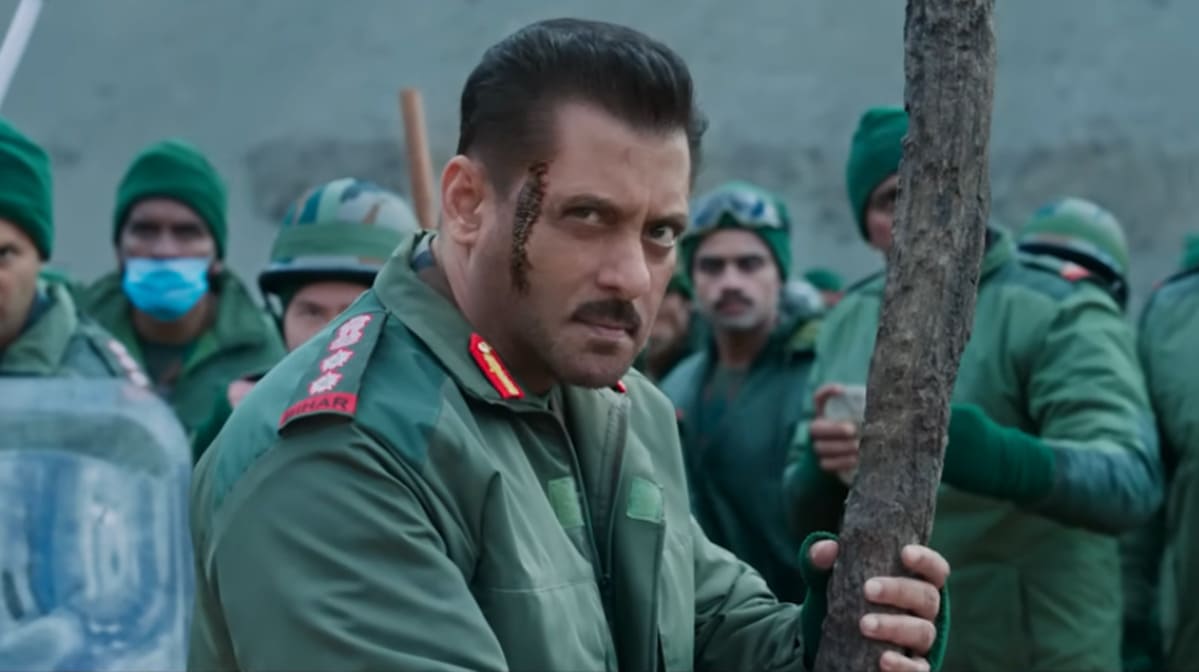
The upcoming Bollywood war drama starring actor Salman Khan has undergone a notable title revision, transitioning from Battle of Galwan to Maatrubhumi: May War Rest in Peace. Directed by Apoorva Lakhia, the film features Khan portraying Colonel Bikkumalla Santosh Babu of the 16 Bihar Regiment, alongside co-star Chitrangada Singh. The production centers on the deadly high-altitude military clash in June 2020 within the Galwan Valley of Ladakh, during which 20 Indian soldiers lost their lives.
The title change reflects a narrative shift from a specific tactical military engagement toward broader patriotic sentiment. The release of the film’s title track on January 24, 2026, reinforced this theme through lyrics emphasizing personal pledge (sankalp) and national devotion. While the production presents the narrative as an emotional tribute to military sacrifice, media analysts and political commentators observe that shifting the title to Maatrubhumi—meaning “Motherland”—generalizes the specific circumstances of the border confrontation into abstract national loyalty.
2. Geopolitical Counter-Narratives and International Response
The cinematic portrayal of the Galwan clash has drawn sharp reactions beyond Indian borders, particularly from Chinese state media and regional analysts. Reports from outlets such as The Global Times characterized the production as an emotionally exaggerated depiction that distorts the historical reality of the 2020 conflict. Chinese commentators asserted that cinematic dramatization cannot alter historical records or weaken the territorial posture of the People’s Liberation Army in contested border zones.
Also Read:
[ Salman Khan Breaks Ranks with Modi Regime ]
[ Exposing Fake Ramayana Box Office Figures ]
Geopolitical reporting highlights a stark contrast between cinematic narrative structures and territorial status on the ground. Independent analyses note that while the film emphasizes localized heroics, it operates against the backdrop of an ongoing border standoff where Chinese forces occupy approximately 38,000 square kilometers of territory in Ladakh. Overseas audiences and international commentators have also noted the tension between high-gloss cinematic triumph and unresolved military realities along the Line of Actual Control.
3. Parliamentary Clashes and General Naravane’s Memoir
Parallel to the cinematic controversy, Indian defense policy and border transparency became central themes in Parliament following discussions around General Manoj Mukund Naravane’s memoir, Four Stars of Destiny. Serving as the 28th Chief of the Army Staff from 2019 to 2022, Naravane authored a 448-page account detailing key strategic events, including the 2017 Doklam standoff and the 2020 Galwan Valley crisis.
During parliamentary sessions in the Lok Sabha, Leader of the Opposition Rahul Gandhi cited investigative reporting on the memoir to challenge the government’s official statements regarding border security. The references sparked intense exchanges with Defence Minister Rajnath Singh and Home Minister Amit Shah, who questioned the parliamentary propriety of quoting from a book that remains officially unpublished within India despite its commercial listing on global platforms like Amazon.
Key observations highlighted in reporting on the memoir include:
- Tactical Proximity: Reports based on the text state that Chinese armored units were positioned within a few hundred meters of Indian posts along the Kailash range during the standoff.
- Command Dynamics: The memoir provides a professional military perspective on executive decision-making and operational constraints during high-altitude standoffs.
- Territorial Impact: Discussions surrounding the text emphasize persistent concerns regarding Chinese control over contested border areas in Ladakh.
4. Key Perspectives: Cinema vs. Military Accounts
| Feature / Dimension | Cinematic Presentation (Maatrubhumi) | Military & Parliamentary Records (Naravane Memoir) |
|---|---|---|
| Primary Focus | Emotional heroism, personal sacrifice, and national pledge (sankalp). | Operational mechanics, tactical positioning, and strategic decision-making. |
| Portrayal of Conflict | Dramatized victory and martial invincibility centered on lead characters. | Professional assessment of high-altitude vulnerabilities and standoff dynamics. |
| Border Realities | Softens tactical complications through generalized patriotic themes. | Highlights proximity of foreign troops and unresolved territorial control. |
| Public Reception | Domestic commercial appeal alongside international diplomatic skepticism. | Parliamentary debate over publication transparency and national security records. |
5. Cultural Discourse, State Narrative, and Global Footprint
The dual emergence of Maatrubhumi and General Naravane’s memoir underscores the evolving role of cultural artifacts in shaping national memory. Critics argue that big-budget war films can function as cultural instruments that absorb public attention and frame complex geopolitical developments within simplified heroic archetypes. This dynamic is visible across a broader trend of muscular war cinema, including films such as Dhurandhar, Ikkis, and Border 2.
However, the international trajectory of such productions illustrates potential friction between domestic branding and global reception. Industry reports indicate that certain recent war titles have faced distribution hurdles and exhibition bans across several Gulf countries, including Bahrain, Kuwait, Oman, Qatar, Saudi Arabia, and the UAE, owing to concerns over diplomatic tone and thematic framing.
As Maatrubhumi approaches its scheduled release on December 4, 2026, the ongoing dialogue surrounding both the film and military memoirs reflects a wider debate on transparency, historical accuracy, and how modern nations process military history through cinema.