The Crack in the Image: Salman Khan, the “Gleichschaltung” Project, and the Student Uprising Against the Modi Regime
In a stunning breach of the regime’s digital omerta, Bollywood superstar Salman Khan has endorsed student protesters challenging the Modi administration’s systemic educational rot. By backing a movement ignited by massive “paper leaks” and met with state-managed brutality, Khan has injected a rare moral defiance into a culture currently subjugated by weaponized entertainment.
By Rakesh Raman
New Delhi | July 23, 2026
I. Introduction: The Crack in the Monolith
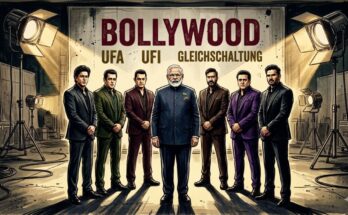
In an autocratic landscape, the alignment of cultural icons with the state is a prerequisite for survival. Under Prime Minister Narendra Modi, Bollywood has not merely been influenced; it has been strangled and orchestrated under a “Gleichschaltung” project—a modern-day execution of the 1940s Nazi “Ufi” blueprint for total state-managed coordination of media and society. Salman Khan has long served as a primary driver of this weaponized entertainment, lending his massive reach to the regime’s narrative control.
However, the monolith has finally shown a visible crack. In a rare display of morality, Khan has stepped outside the scripted boundaries of the state to acknowledge the grievances of a generation pushed to the brink. This shift is a direct response to a spiraling education crisis that has exposed the regime’s administrative incompetence, forcing a confrontation between the state’s propaganda machine and the reality of its failing infrastructure.
II. Dissent via Digital Platform: Salman Khan’s Critique
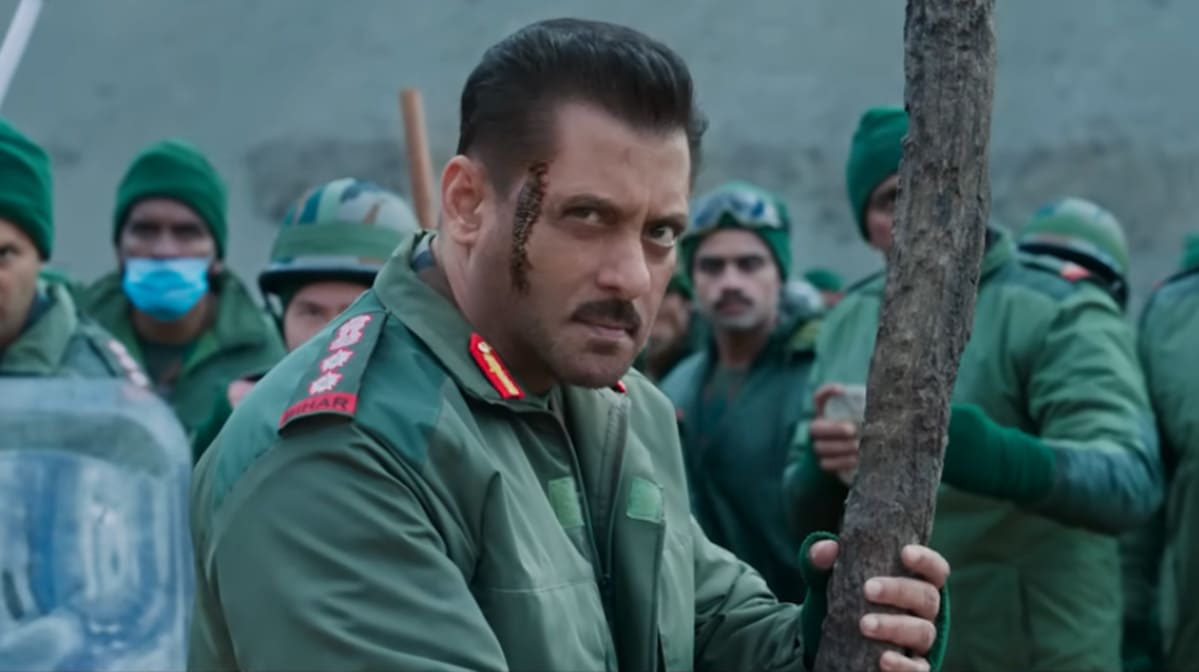
In environments where the state monitors every syllable, social media is more than a platform; it is a battlefield for calculated messaging. On July 22, Salman Khan executed a strategic deployment of his digital reach to validate an embattled student movement. In his statement, Khan emphasized the peaceful nature of the student “andolan” (protest), expressed profound sadness over the violence unleashed upon them, and explicitly endorsed the students’ demand for a functioning educational system.
The “So What?” Layer
Khan’s framing of the crisis as a “win-win” situation is a masterclass in political survival. By claiming the government will “give them all the support,” he offers the regime a face-saving exit while simultaneously calling the system “rotten.” This is not mere caution; it is the tactical maneuvering of a man who remains a “main driver” of the state’s media machine, attempting to support the youth without inviting the immediate, total retribution of the Modi empire.
Also Read:
[ CJP Jantar Mantar Protest Fails Under Modi ]
[ Rahul Gandhi’s 2026 Protest: All Bark, No Bite ]
[ Critiquing Sonam Wangchuk’s Delhi Hunger Strike ]
[ The Bollywood Ufi Blueprint Exposed ]
III. State Repression and the Education Crisis
The current unrest is the byproduct of a systemic collapse. Millions of students across India are currently reeling from a “paper leak” crisis that has jeopardized their futures. While the protesters at Delhi’s Jantar Mantar demand the resignation of Education Minister Dharmendra Pradhan, the reality is more cynical: Pradhan is a mere pawn, a disposable shield used to protect the broader Modi administration from the fallout of its own institutional decay.
🔊 सलमान खान द्वारा भारत में जारी छात्र आंदोलनों का समर्थन: ऑडियो विश्लेषण
When the regime’s administrative failures are exposed, its response is never reform—it is the blunt instrument of state-managed violence. On July 20, as students attempted a peaceful march toward Parliament, the Delhi Police—operating under the direct mandate of the regime—responded with baton charges and tear gas. The manhandling of female protesters underscored the autocratic nature of a state that views legitimate civilian dissent as a threat to be crushed.
Transition: When the regime fails to maintain the narrative on the streets with batons, it retreats to the cinema screens to rewrite the ending.
IV. The “Maatrubhumi” Smokescreen: Weaponized Entertainment
The “Gleichschaltung” project remains most potent in its ability to sanitize national trauma through film. The strategic rebranding of the upcoming war drama Battle of Galwan to Maatrubhumi: May War Rest in Peace is a calculated narrative pivot.
The “So What?” Layer
By stripping the title of its specific military context—an engagement where 20 Indian soldiers were killed—and replacing it with the emotionally charged “Maatrubhumi” (Motherland), the production creates a tactical smokescreen. This allows the regime to soften the focus on tactical military failures under Modi’s watch, transforming a specific strategic defeat into a generalized, untouchable sentiment of patriotism. It is the ultimate expression of entertainment weaponized to protect the state’s image.
V. The Protest Landscape: Gen-Z Activism vs. Political Opportunism
The heart of the resistance lies with the Cockroach Janta Party (CJP), a newly formed Gen-Z group leading the Jantar Mantar protests. However, the movement is being crowded by a “clutter” of unscrupulous elements and dishonest political actors seeking to hijack the narrative. These include professional protesters like Sonam Wangchuk, retired Bollywood actors, pseudo-psephologists, and jobless advocates—all vying for relevance.
The contrast between the “nondescript” students and the political class was most evident on July 21. Congress leader Rahul Gandhi staged a brief demonstration in front of the Prime Minister’s residence to demand a resignation, only to disappear the moment the regime’s pressure was felt. This swift retreat, fueled by a palpable fear of the Modi regime, highlights the “directionless” and vulnerable nature of a student movement that has been largely abandoned by the established political opposition.
VI. Conclusion: The Impetus for Change
The student fight against a hostile regime stands at a precarious juncture. While the physical protests remain small and plagued by opportunists, the intervention of a figure as central to the state’s cultural apparatus as Salman Khan provides a necessary impetus. His public acknowledgment of a “rotten system” disrupts the total coordination the “Gleichschaltung” project demands.
Whether this represents a permanent shift toward moral independence or a momentary lapse in state-managed coordination remains to be seen. However, when the regime’s own narrative drivers begin to speak the truth about police brutality and systemic failure, the monolith is no longer as secure as it appears.
By Rakesh Raman, who is a national award-winning journalist and social activist. He is the founder of a humanitarian organization RMN Foundation which is working in diverse areas to help the disadvantaged and distressed people in the society.