Movie Anticipation Index: Zach Cregger’s Resident Evil Reboot Promises Tonal Reset Amid Box Office Hype
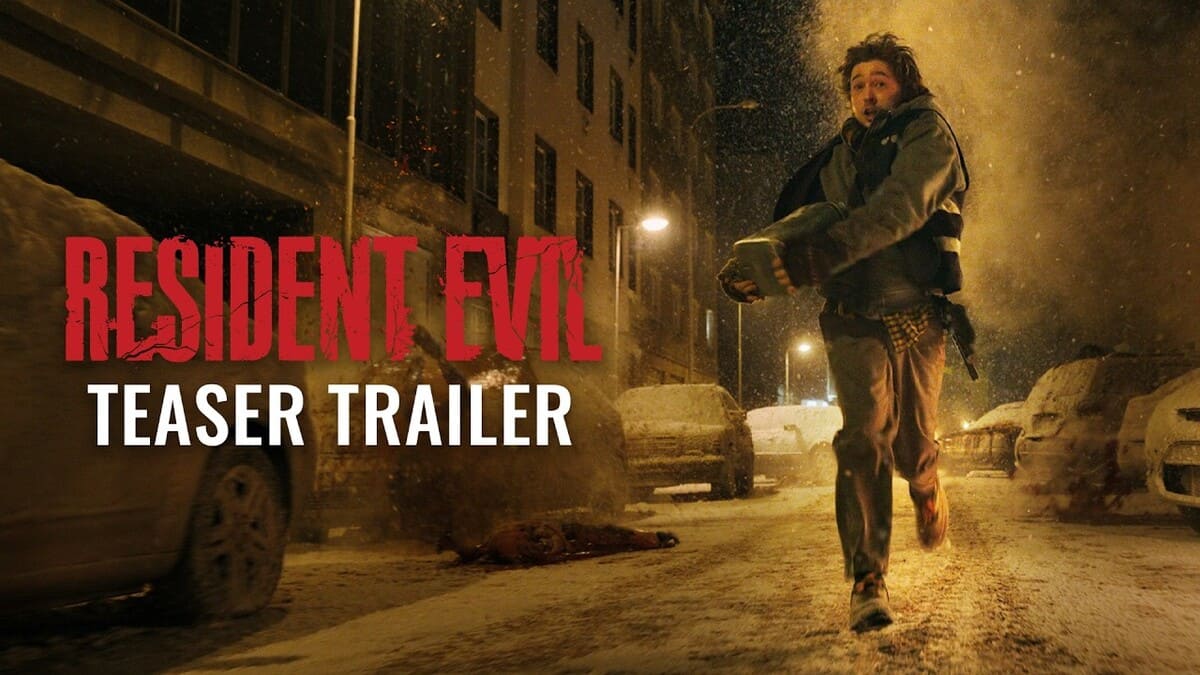
Sony Pictures’ 2026 Resident Evil reboot receives a 4-Star Movie Anticipation Index rating. Directed by Zach Cregger, this cinematic reinvention shifts away from stale franchise tropes to deliver an original, grounded survival-horror narrative, though it faces the steep commercial challenge of overcoming historical brand fatigue and verifying transparent box office data.
RMN Stars Movie Anticipation Index
New Delhi | May 17, 2026
1. Creative Pedigree: Grounded Psychological Horror vs. Repetitive Sequel Fatigue
The decision to hand the keys of Capcom’s flagship survival-horror franchise to director Zach Cregger (Barbarian) is a significant creative upgrade. For decades, the cinematic adaptations of this universe have fundamentally misunderstood the source material. Now, instead of getting scared from the movie scenes, audiences are more scared from the repetitive Resident Evil sequels which are a mockery of horror.
Cregger’s proven ability to build claustrophobic atmosphere, subvert expectations, and prioritize psychological dread over cheap jump-scares promises a vital tonal reset. By stripping away the over-the-top, superhero-style action that turned prior iterations into parodies, this reboot marks a deliberate return to the eerie, slow-burn survival horror that made the original games a global phenomenon.
Editorial Score: ⭐⭐⭐⭐ (4/5)
2. Market Necessity: Original Cinematic Dread vs. Commoditized IP Overload
The theatrical market in 2026 is experiencing severe franchise fatigue, particularly within commoditized horror-action intellectual properties. Audiences are flatly rejecting predictable, studio-mandated sequels that offer nothing but digitized explosions and recycled plots. There is a distinct market vacancy for a genuinely terrifying, high-budget survival-horror film that respects the intelligence of the viewer. If the production successfully leans into a pure, atmospheric horror aesthetic, it has the potential to recapture both the lapsed gaming demographic and mainstream horror enthusiasts who have long abandoned the cinematic brand.
- Editorial Score: ⭐⭐⭐⭐ (4/5)
3. Production Integrity: Studio Infrastructure vs. Transparent Data Verification
As a studio release from Sony Pictures, the film benefits from substantial distribution infrastructure and top-tier technical craft. However, from a forensic metrics perspective, the commercial footprint of a massive franchise reboot always requires strict scrutiny. With blockbusters increasingly prone to inflated marketing budgets and opaque reporting structures, tracking the absolute financial reality of this release will be critical. The industry standard must shift away from hyped, unverified “opening weekend” proclamations toward transparent, verifiable data streams to prove its genuine theatrical health rather than relying on manufactured momentum.
- Editorial Score: ⭐⭐⭐ (3/5)
4. Legacy Risk: Structural Brand Damage vs. Creative Autonomy
The greatest risk to this project is the heavy baggage of its own title. With over half a dozen prior live-action films that prioritized mindless action over genuine terror, the brand has sustained deep algorithmic and reputational damage. Skepticism remains exceptionally high among core demographics. If Cregger’s narrative formula gets diluted by studio interference—or if the marketing campaign fails to clearly distinguish this release from the mockery of horror seen in previous sequels—the film risks being prematurely dismissed by the very audience it needs to survive.
- Editorial Score: ⭐⭐⭐ (3/5)
Official RMN Stars Movie Anticipation Index: ⭐⭐⭐⭐ (4/5)
Verdict: The Resident Evil reboot breaks away from the “Formula Trap” of its predecessors to deliver a genuine artistic attempt at survival horror. While brand scars run deep due to prior cinematic mockeries, Cregger’s creative pedigree gives it high strategic potential. It remains an “Essential Watch” tracker for those analyzing the restoration of narrative integrity over lazy corporate sequels.
This analysis is part of our ongoing tracking series. Read our complete framework on the main Movie Anticipation Index hub.